THE PLAYBOOK · QCYANGCHU
An introduction to playing Gomoku
Use a short break to learn the rhythm of Gomoku. Make five or more connected stones horizontally, vertically or diagonally. A full board without a line is a draw. Use the example below to understand a decision. Identify the playing area and the controls you need. Use the example below to understand a decision.
Take a closer look while playing
Take enough time to read a new position. If a game has a timer, learn its controls first rather than searching for them during the round. Refer to the controls when needed.
The goal to keep in mind
Make five or more connected stones horizontally, vertically or diagonally. A full board without a line is a draw. Keep that objective in view throughout the round. Check the rules when you are unsure.
A walkthrough of the rules
- Player 1 places the first stone on an empty intersection.
- Player 2 places a stone and turns alternate.
- Look for open lines and block your opponent’s threats.
- A winning line immediately ends the round.
Using the playing area
Use the on-screen controls with a mouse or touch. Keep the playing area visible while using these controls. Read the example below alongside these instructions.
Follow the example
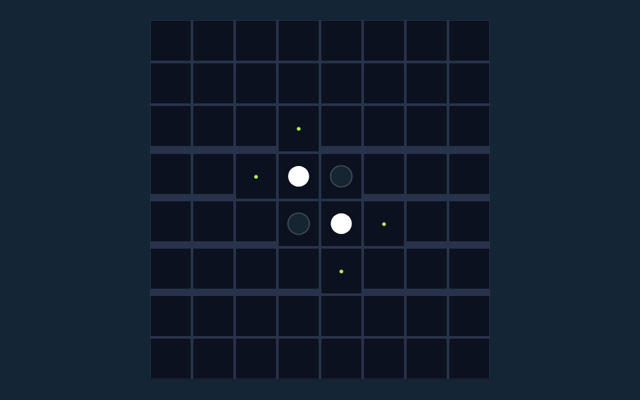
Four consecutive stones with an empty point at both ends creates two possible finishing moves. Focus on why the action is allowed, not only its outcome. Check the stated objective.
A mistake to avoid
This is freestyle Gomoku, not Renju: there are no special forbidden opening or double-three rules. Read the feedback to see why an action did not have the expected result. Choose one rule to keep in mind for this round. Apply it consistently rather than guessing what another version might allow.
More answers before you play
As a new player, what is the goal of Gomoku?
Keep this in mind: Make five or more connected stones horizontally, vertically or diagonally. A full board without a line is a draw.
When I return, how do I control Gomoku?
Use the on-screen controls with a mouse or touch.
While reading the Guide, what example helps explain Gomoku?
Keep this in mind: Four consecutive stones with an empty point at both ends creates two possible finishing moves.
For my first round, what should I watch out for in Gomoku?
For clarity: This is freestyle Gomoku, not Renju: there are no special forbidden opening or double-three rules.
For this browser game, what format does Gomoku offer?
Here is the relevant explanation: Play using the same-device two players mode shown on this page. Read the controls before starting a new round.
Before I begin, which play mode does Gomoku use?
For clarity: The mode on this page is Same-device two players. Same-device play uses one screen; this game library does not provide internet matchmaking.